
Water testing guide
East Texas Private Well Water Testing Guide
When to test for bacteria, nitrates, iron, and sulfur odors, plus where East Texas well owners can turn for TWON screenings, AgriLife Extension help, and local water-well service.
Quick takeaways for East Texas well owners
- Use annual bacteria testing as the baseline: total coliform and E. coli are the first checks most private well owners should know.
- Test sooner after flooding, a long vacancy, a new smell or taste, or before a baby comes home.
- Add nitrate testing near farmland, fertilized lawns, livestock areas, or septic systems.
- Iron staining and rotten-egg sulfur odors may need a different test or treatment conversation than bacteria and nitrates.
- If the house has no water or the pump will not build pressure, protect the pump first and use the no-water troubleshooting path before treating it like a water quality problem.
- Use the lab's sterile bottle, keep the sample cold, and get it delivered quickly.
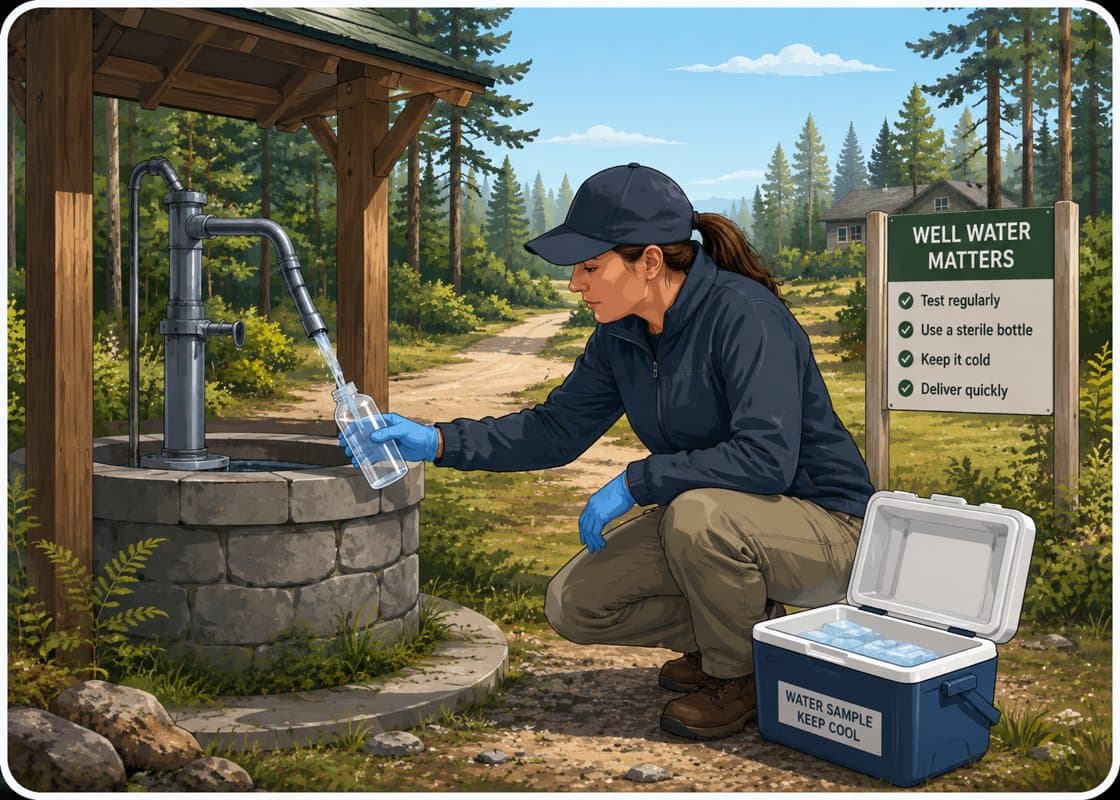
If a house runs on a private well, the owner is usually responsible for deciding when to test the water. The city is not checking it. The county usually is not checking it. A state inspector is not stopping by each year.
Testing does not need to be dramatic. A basic East Texas private well water test starts with bacteria, adds nitrates when land use or septic risk calls for it, and uses local help when iron, sulfur smells, staining, flooding, or pump work changes the picture.
When Should You Think About Testing?
Most homeowners only think about well water when something seems wrong. But some problems have no smell, no taste, and no color. You cannot see them.
Here are some times when testing is the smart move:
- You just bought the house. The previous owners may not have tested in years. You have no way to know. Get a baseline before you settle in.
- A baby is coming home. Infants are more sensitive to nitrates than adults. Nitrates can be dangerous for babies even at levels adults would never notice. Test before baby arrives.
- Your water suddenly smells like rotten eggs. That sulfur smell usually comes from hydrogen sulfide in the groundwater. Or it might just be your water heater breaking down — not the well itself. Either way, you want to know which it is.
- The smell only comes from the hot tap. If only your hot water smells, the water heater is often the culprit. That is usually good news. It may have nothing to do with your well at all.
- Your well sat unused. Inherited property, a vacation cabin, a rental that sat empty for months. Stagnant water can grow bacteria. Test before anyone drinks it.
- After a big rain or flood. Heavy rain can push surface water down around the wellhead casing. That runoff can carry bacteria with it. A test after major flooding is just smart.
- After a no-water or pump repair visit. If a pump was pulled, a line was opened, the well was worked on, or the system sat without pressure, ask the contractor whether bacteria testing or shock chlorination is appropriate before regular use.
- Your water tastes or looks different. Not dramatically different. Just a little off. That is enough of a reason. Trust that instinct.
None of these situations means your water is definitely bad. They just mean it is worth knowing.
What Should East Texas Private Well Owners Test For?
Texas Well Owner Network screening notes and well-owner resources commonly point homeowners toward these first checks:
- Total coliform bacteria — a general sign that something may have gotten in
- E. coli — the specific bacteria linked to fecal contamination
- Nitrates — can come from farming, fertilized lawns, or nearby septic systems
- Salinity (total dissolved solids) — affects taste and can flag deeper issues
- Arsenic — sometimes included depending on local geology
You do not need to test for everything every single year. At minimum, bacteria and E. coli once a year is a solid starting point. If your property is near farmland or a septic system, add nitrates. If you are buying a new home, do the full panel.
Iron, manganese, hardness, and hydrogen sulfide are usually discussed when the concern is staining, scale, metallic taste, or a rotten-egg odor. Those symptoms do not replace bacteria testing, but they can help a lab, Extension office, or water professional point you toward the right comparison test.
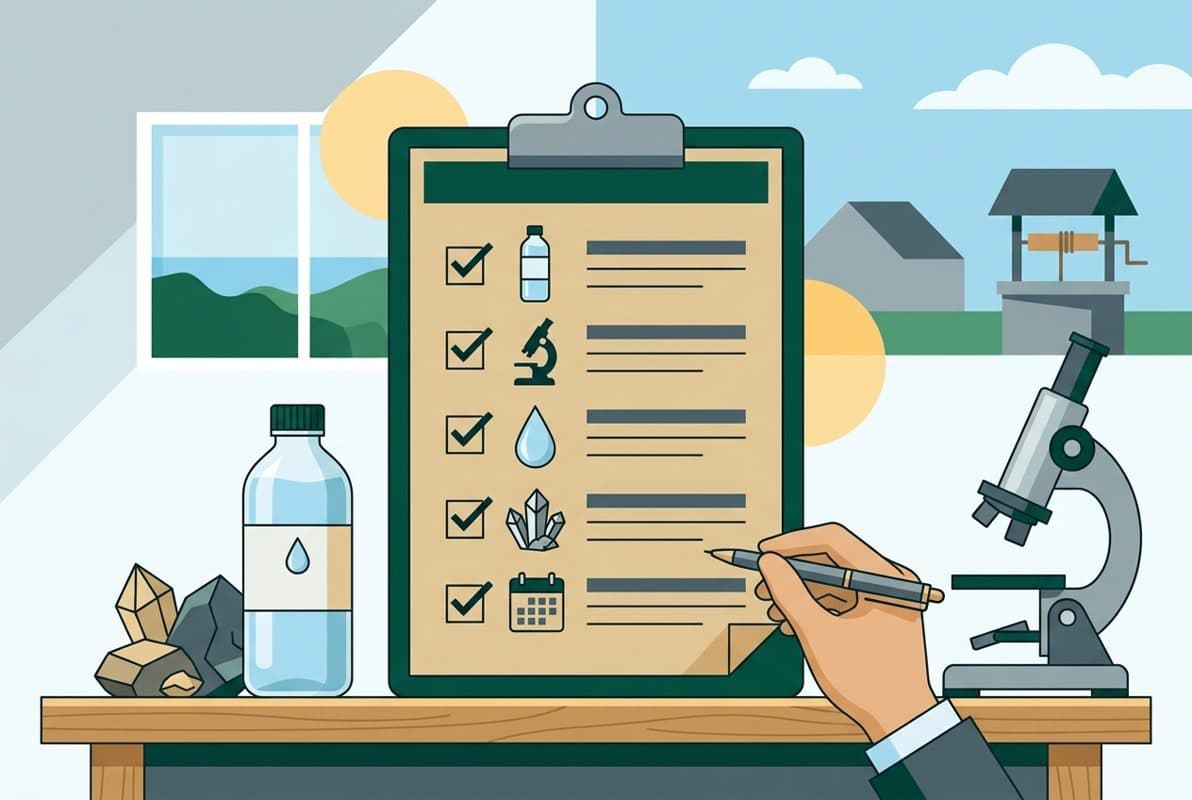
Where to Get Help in East Texas
Texas A&M AgriLife Extension runs a program called the Texas Well Owner Network — most people just call it TWON. It was built specifically for homeowners who depend on private wells.
TWON offers:
- Low-cost water quality screenings
- Training on how wells and groundwater work
- Help understanding what your results mean
- Guidance on treatment options when something needs fixing
Your local AgriLife Extension office can connect you with upcoming TWON screenings and point you toward certified labs. Screenings have come directly to communities in Northeast Texas in the past — worth checking if one is near you.
If you want to skip straight to a lab test, use a lab that is accredited by the state of Texas (TCEQ-accredited). Your county health department can point you to one. Your local Extension office can too.
Texas Well Owner Network: twon.tamu.edu
AgriLife Extension Groundwater & Wells Hub: agrilifeextension.tamu.edu/assets/environment-natural-resources/water/groundwater-wells/
How to Collect a Good Sample
The results are only as reliable as the sample you bring in. A few things matter here:
- Use the spigot closest to your wellhead. Not the kitchen sink. Not the bathroom. The one closest to where the water enters the house.
- Run the water for a couple of minutes first. Let the standing water in the line clear out.
- Use the sterile container the lab gives you. Do not rinse it. Do not touch the inside.
- Keep the sample cold. An ice pack in a small cooler works fine.
- Get it to the lab within 24 hours. Do not let it sit in your car overnight.
The lab will usually walk you through collection when you pick up the container. But knowing these steps ahead of time helps you avoid a wasted trip.
How Often Should You Test?
At least once a year — that is the recommendation from TWON and AgriLife Extension resources cited below. Annual bacteria testing is the baseline for most private well owners.
If you have an older well, if you are near a septic system, or if you live in a low-lying area that floods regularly, test more often. When something changes — new smell, different taste, nearby land use changes — test then too. Do not wait for the annual cycle if something seems off.
What If a Result Comes Back Concerning?
Do not panic. A positive bacteria result does not always mean you have a serious problem. Sometimes it is a sampling error. Sometimes the fix is as simple as shock chlorination — a process that sanitizes the well.
The follow-up step matters a lot. TWON screenings include help explaining what your results mean and what to do next. Take advantage of that. A certified well driller or water treatment professional can also walk through your options with you.
A Note About East Texas Groundwater
Many private wells in East Texas draw from the Carrizo-Wilcox aquifer. It runs through more than 60 counties and is a primary water source for rural households and smaller communities across the region.
Texas A&M researchers have studied this aquifer for years. In some areas, the water table has dropped more than 150 feet over several decades. That is a significant change. It does not mean your well is in trouble, but it does mean that local geology and local conditions matter when thinking about your water.
Your neighbor's well and your well may behave differently, even if you live a mile apart. National averages and general statistics do not tell you much about what is happening underground at your specific property. That is exactly why local testing — not assumptions — is the right approach.
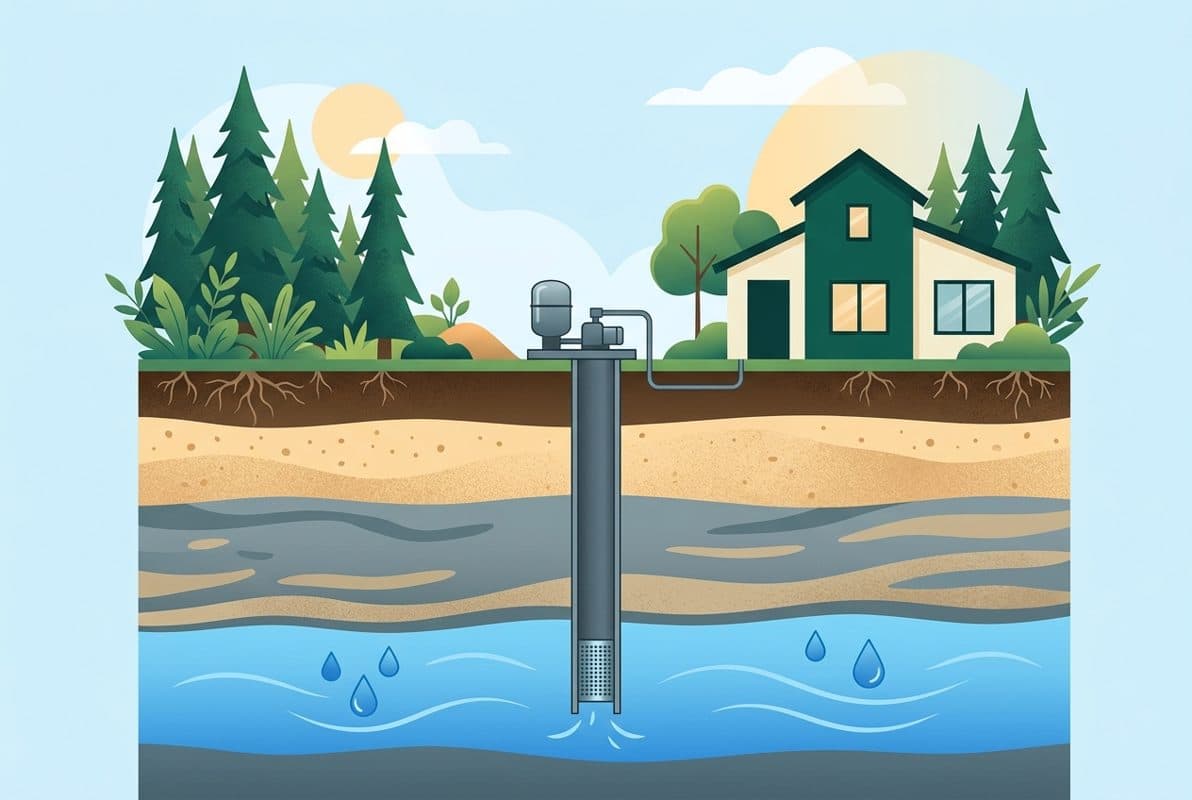
Your Next Step for East Texas Water Testing
Start with your local AgriLife Extension office and ask whether a TWON screening is scheduled for your county. If no screening is nearby, ask which Texas-accredited lab can handle private well bacteria and nitrate testing.
You can also go directly to twon.tamu.edu to find training resources and contact information.
If you have never tested your well, start with a baseline result. If it has been more than a year, put annual bacteria testing back on the calendar. If you also have pump, pressure, staining, iron, or sulfur odor symptoms, compare local well-service options before you spend money on treatment equipment.
Related resources on FindWaterWellDrillers.com
References
- Texas Water Resources Institute — Private Water Well Screenings Set for North/East Texas
https://twri.tamu.edu/blog/private-water-well-screenings-set-for-north-east-texas-may-6-7/ - Texas Water Resources Institute — TWRI Program Spotlight: Texas Well Owner Network
https://twri.tamu.edu/blog/twri-program-spotlight-texas-well-owner-network/ - Texas Well Owner Network (TWON) — Frequently Asked Questions
https://twon.tamu.edu/frequently-asked-questions/ - Texas A&M AgriLife Extension — Groundwater & Wells Hub
https://agrilifeextension.tamu.edu/assets/environment-natural-resources/water/groundwater-wells/ - AgriLife Today — Texas A&M Researchers Study Carrizo-Wilcox Aquifer (2022)
https://agrilifetoday.tamu.edu/2022/03/21/texas-am-researchers-study-carrizo-wilcox-aquifer/